The Ultimate Pakistan Travel Guide 2026
The Ultimate Pakistan Travel Guide 2026
Pakistan has been showing up more and more on travelers’ social media feeds lately. Most of the time it’s videos of dramatic mountain landscapes or people trying incredible street food. And while those short clips are everywhere on the internet these days, there’s still surprisingly little information about what it’s actually like to travel the country.
For many Pakistan is still associated with Osama bin Laden, conflict near the Afghan border and recent tensions with India. And what’s up with Kashmir, which you hear every other month in the news? Because of that reputation, tourism has remained very limited for years and only recently travellers started to take an eye on Pakistan.
Outside of a few popular spots like Hunza Valley or Skardu, tourism is still very light and many places are still untouched by other travellers.
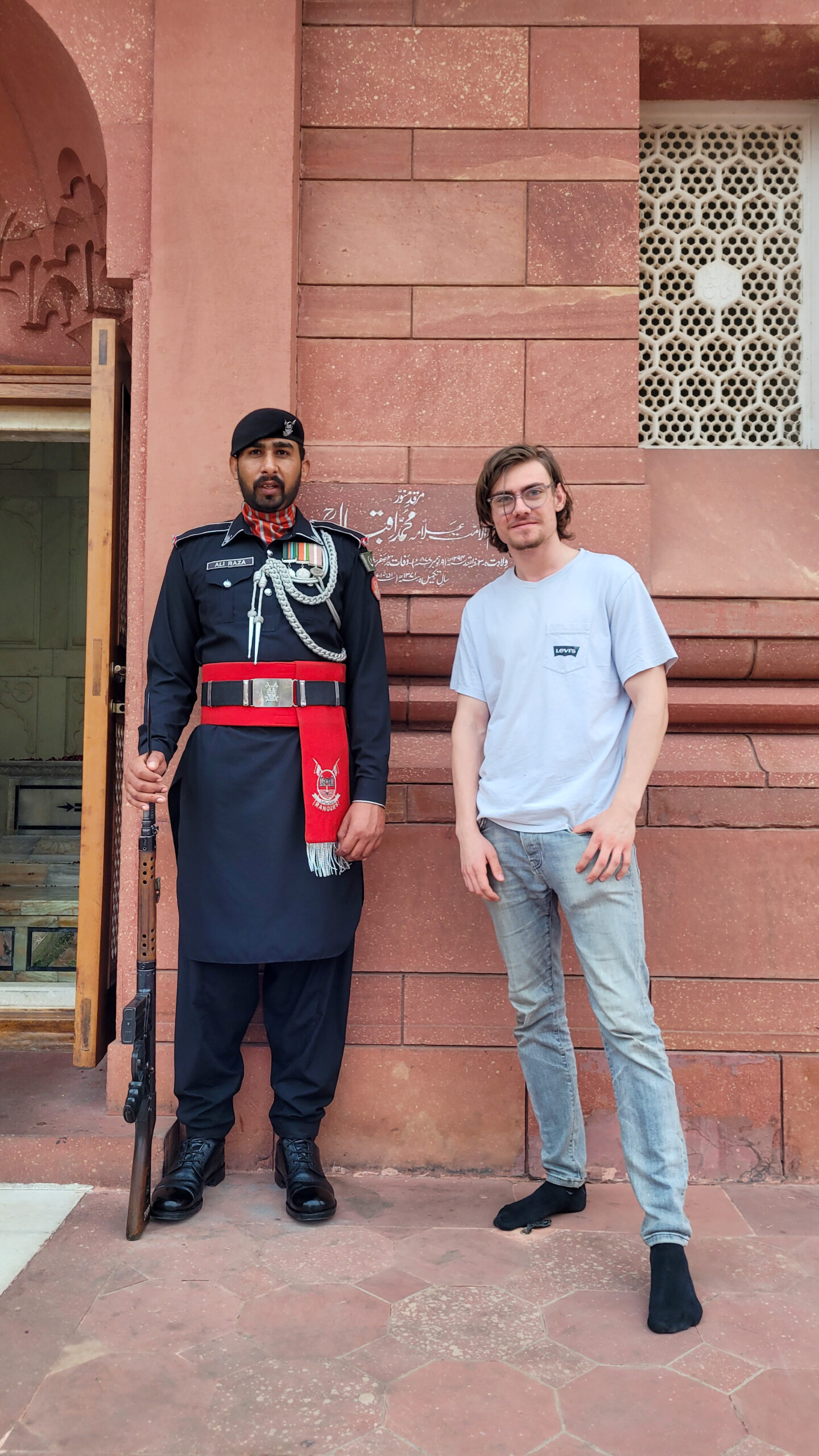
Table of Contents
🪪 How to obtain a Visa for Pakistan
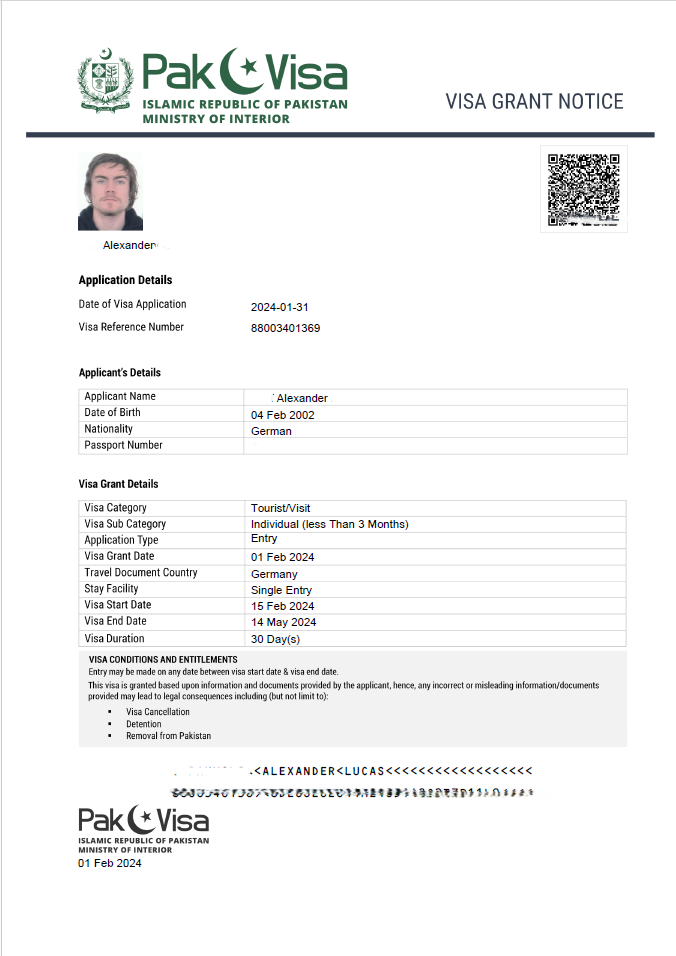
Since August 2024, Pakistan has simplified its tourist visa policy. Citizens of 126 countries can apply online through the official Pakistan Online Visa System operated by NADRA. Visa fees were waived under the new policy and the application process was simplified.
Previously, a Letter of Invitation (LOI) from a tour operator was needed before applying. With the tourist e-visa system, an LOI is usually no longer required. Instead, you can just show proof of a hotel booking or tour confirmation.
Alternatively you can still arrange a Letter of Invitation, which you can purchase for roughly 100$ on several websites.
In 2024 I obtained my Letter of Invitation through Caravanistan (not sponsored):
https://caravanistan.com/visa/pakistan/loi/
Additionally you’ll also need to provide a Photo taken less than 6 months ago.
Gulf Countries citizens are the only Nationalities who recevice Visa on Arrival.
✈️ How to enter Pakistan
Pakistan is connected by air to many major hubs around the world, making it relatively easy to reach for most travelers. Land border crossings are more limited and sometimes complicated, so flying in is usually the best bet.
✈️ Arrival by Air
Pakistan’s main international airports are:
Jinnah International Airport (KHI) – Karachi’s main airport and Pakistan’s busiest international gateway.
Allama Iqbal International Airport (LHE) – Serving Lahore.
Islamabad International Airport (ISB) – The newest airport near the capital, with growing international connections.
🚗 Arrival by Land
Crossing into Pakistan overland is possible but more challenging:
From Iran: The Taftan border crossing is open but remote, mainly used for trade and some travelers heading to Balochistan. You might get a police escort.
From Afghanistan: Extremly busy due to the immigration crisis. Definetly possible but very stresful. (No longer possible due to Afghanistan-Pakistan Conflicts in Spring 2026)
From India: The Wagah border near Lahore is a popular crossing for people traveling between Pakistan and India.
From China: The Khunjerab Pass is open seasonally for tourists traveling overland between Pakistan’s Gilgit-Baltistan region and China’s Xinjiang province, mainly accessible in summer.
🗺️ My favourite Spots in Pakistan
Islamabad
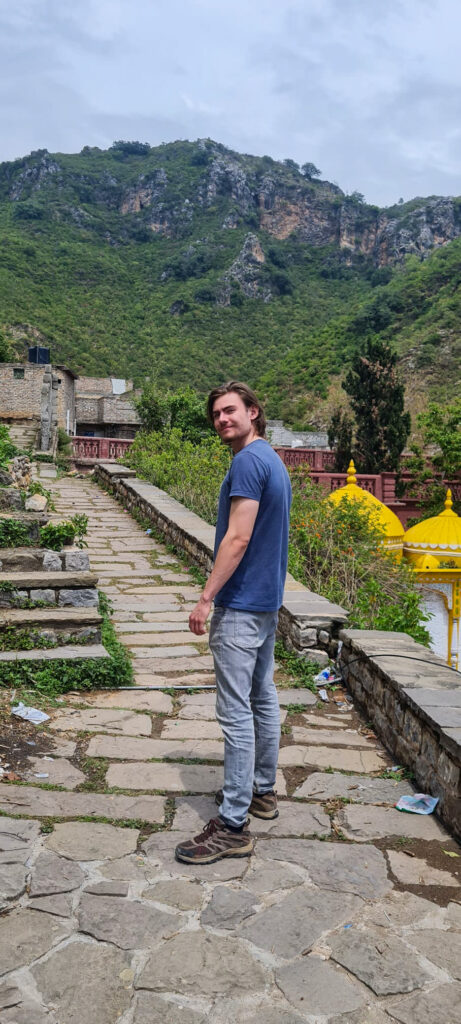
After years of travelling Islamabad still remains my favourite City worldwide. Compared to other cities in Pakistan, the capital feels a lot calmer and more relaxed. It’s extremely green, with trees and parks all around. The streets are clean, traffic is manageable, and many parts of the city feel very modern.
Compared to much of the rest of Pakistan, Islamabad is also fairly liberal. It’s common to see women without a hijab, Locals with tatoos on their arms and even a few shisha bars scattered around the city.
Aside from that, Islamabad is the perfect starting point for almost any trip around the country. From here you can easily travel north toward the mountains, visit historic cities like Lahore, or head west to Peshawar, one of the oldest cities in South Asia.
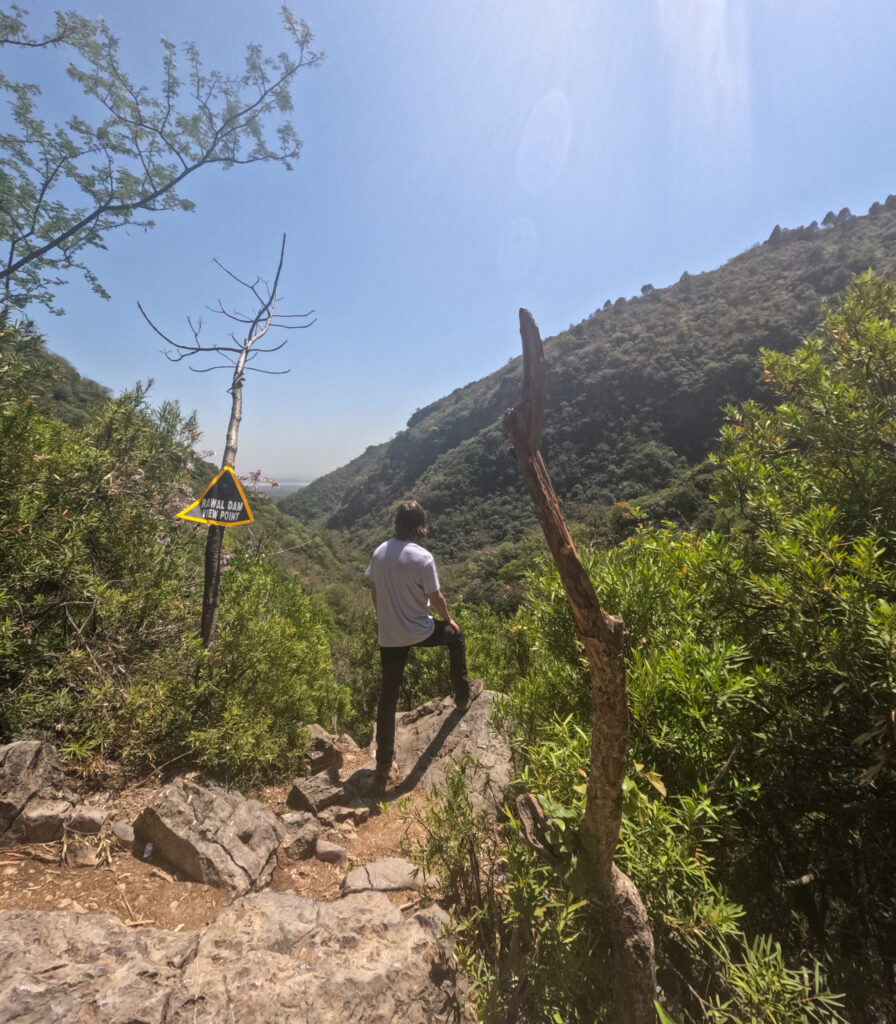
Another thing that makes Islamabad special is its location right at the foot of the Margalla Hills. The hills are covered in forest and offer some really amazing hiking options considering you still are in the capital. Trails 1 to 8 lead up to different viewpoints above the city, and after a couple of hours of hiking you’re rewarded with incredible views over the capital.
🔗 Want to explore Islamabad in more depth? Check out my full guide: [How to Visit Islamabad]
Gilgit-Baltistan
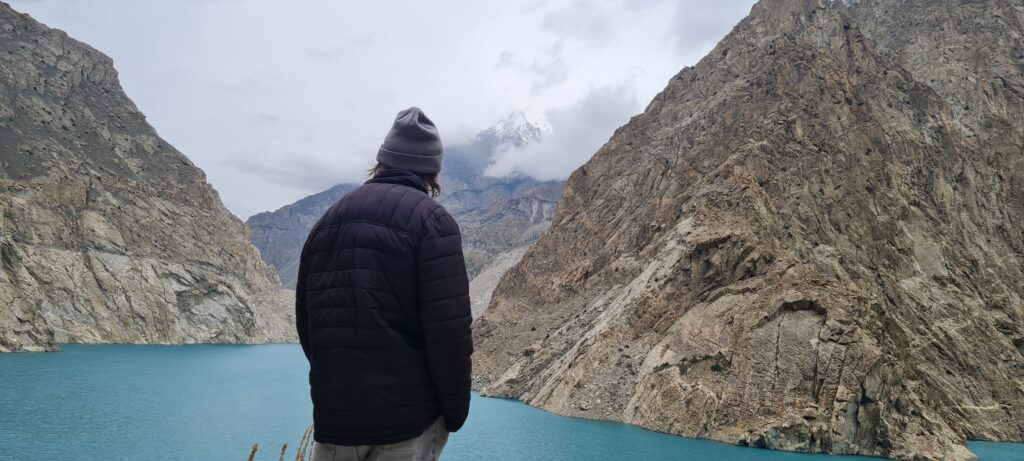
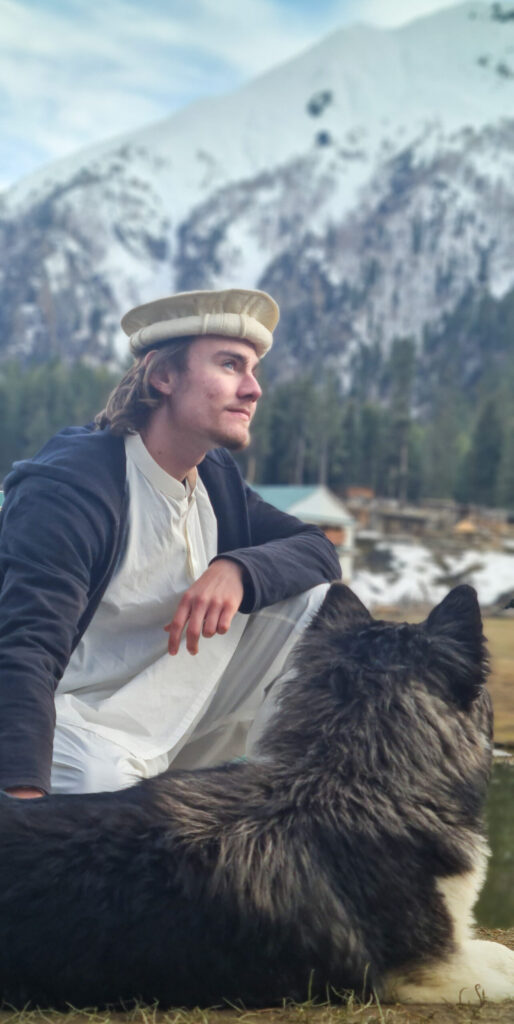
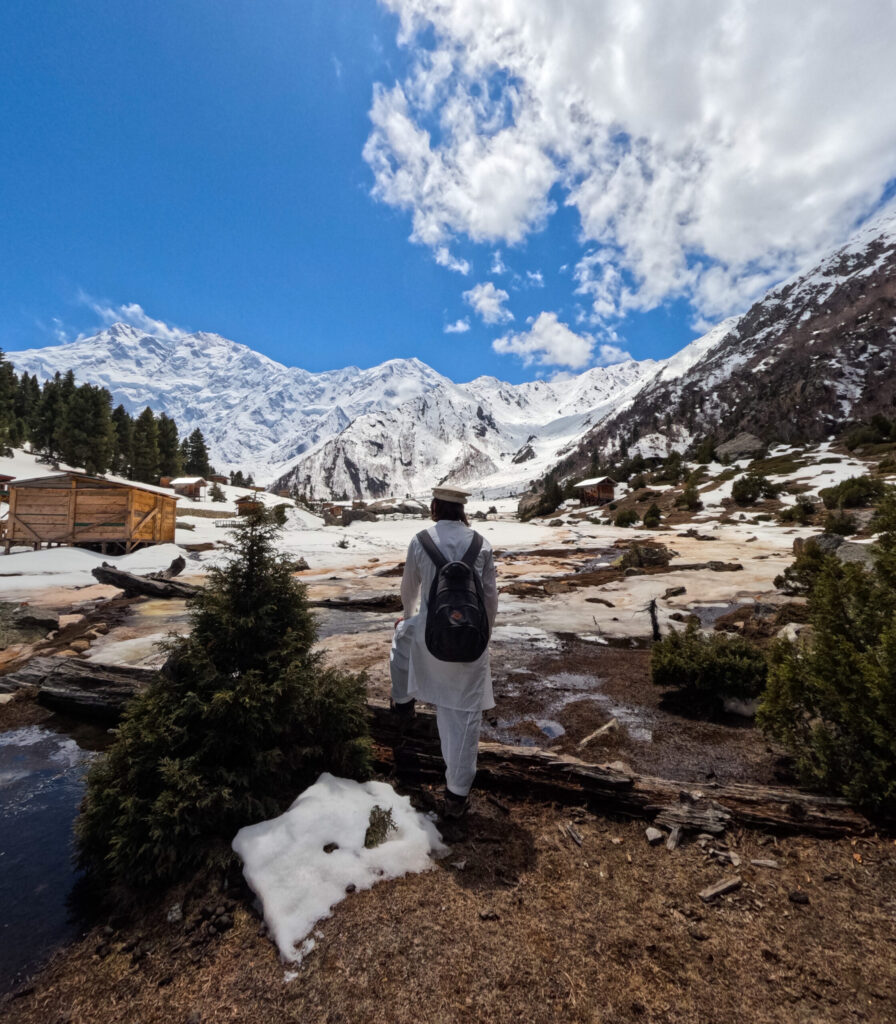
Gilgit-Baltistan is the part of Pakistan that shows up in most of those viral mountain videos you see online. And no, the photos actually don’t exaggerate much. This region is home to some of the most dramatic landscapes on the planet, with massive glaciers, turquoise rivers, and astonishing peaks. K2, the second highest mountain after Everest, is also located here and you might be able to see if from a distance.
For most travelers, Gilgit-Baltistan is the main reason to visit Pakistan in the first place. Despite how spectacular it all looks, tourism here is still relatively light compared to other famous mountain destinations around the world.
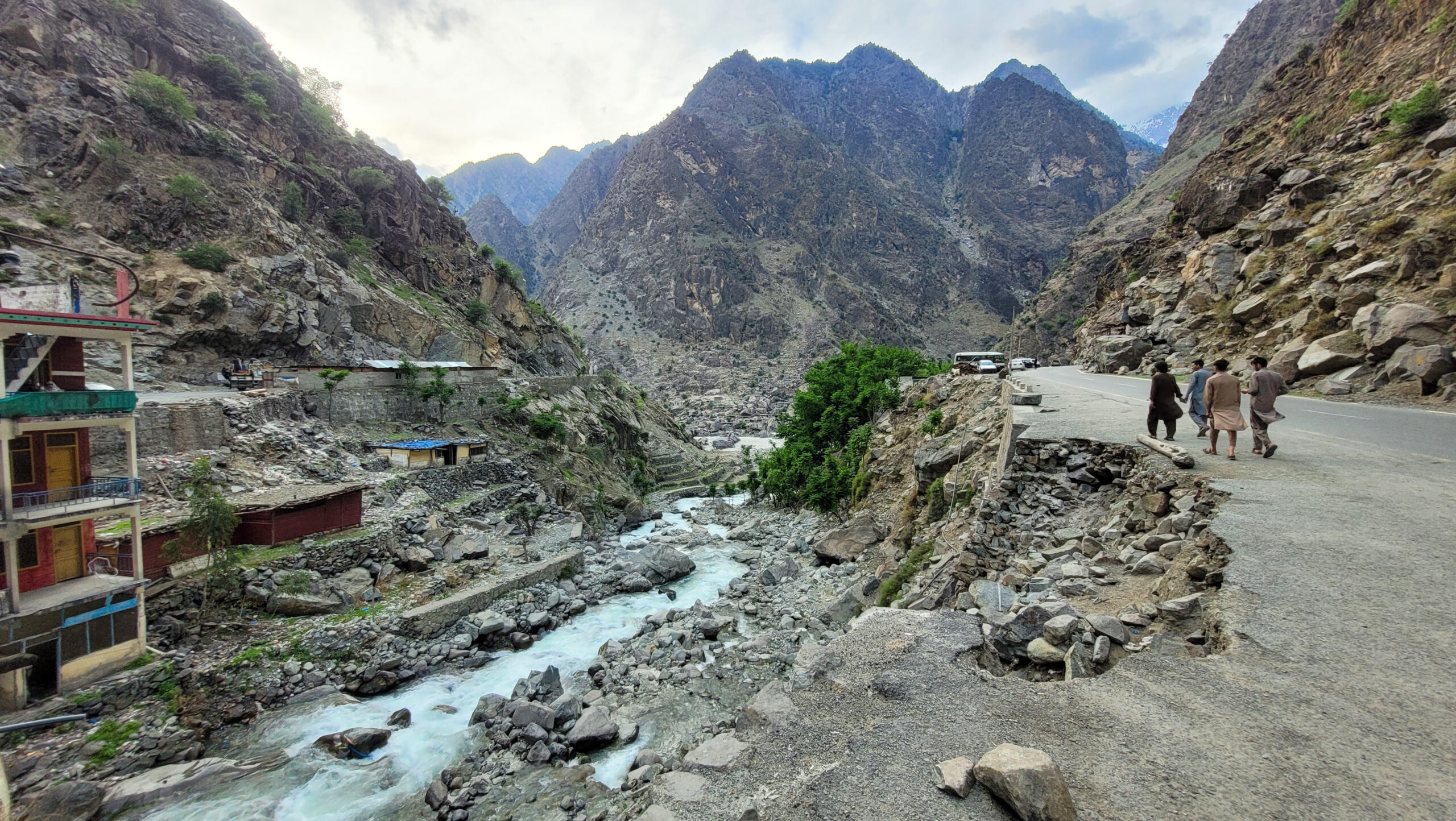
What makes Gilgit-Baltistan even more special is the feeling of remoteness. Many valleys are still difficult to reach, and infrastructure can be basic, but that’s also what keeps the region so authentic. If you enjoy hiking, road trips, or simply being surrounded by huge mountain scenery, this is easily one of the most rewarding places to explore in all of Asia.
Karachi
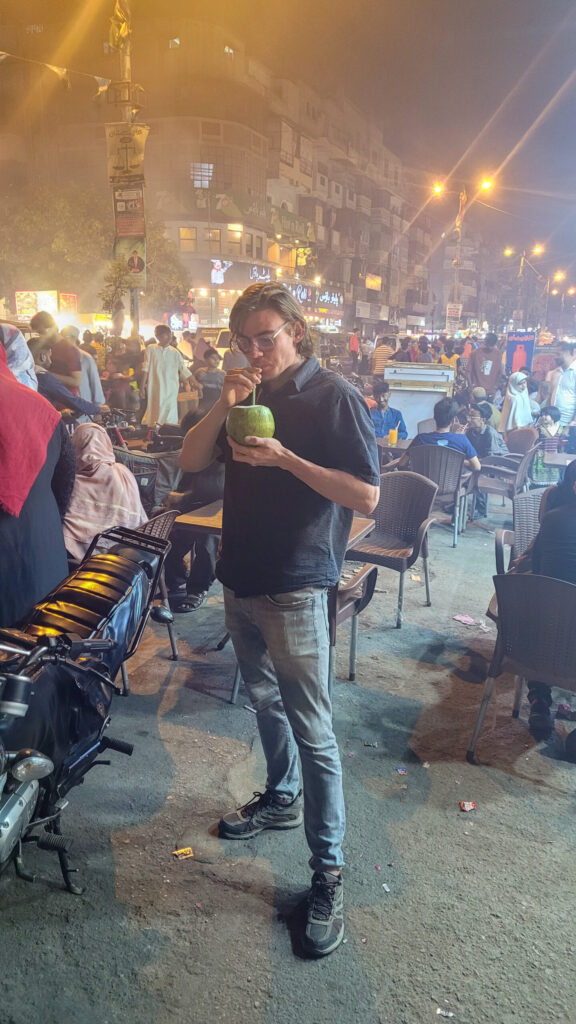
While northern Pakistan is slowly gaining more recognition among travelers, the south of the country still remains largely untouched by tourism. During my one-week stay in Karachi, I didn’t meet a single other foreign traveler.
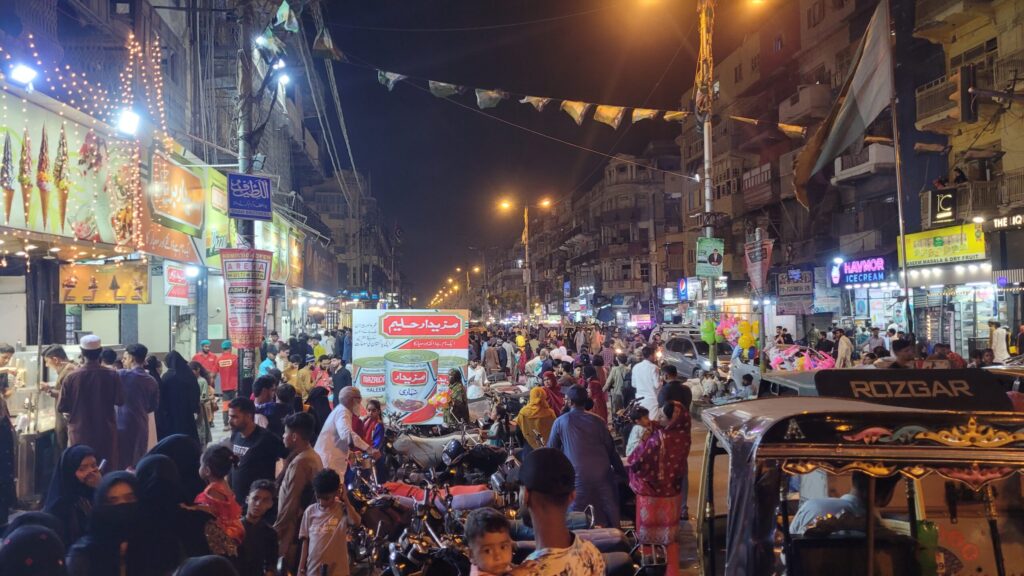
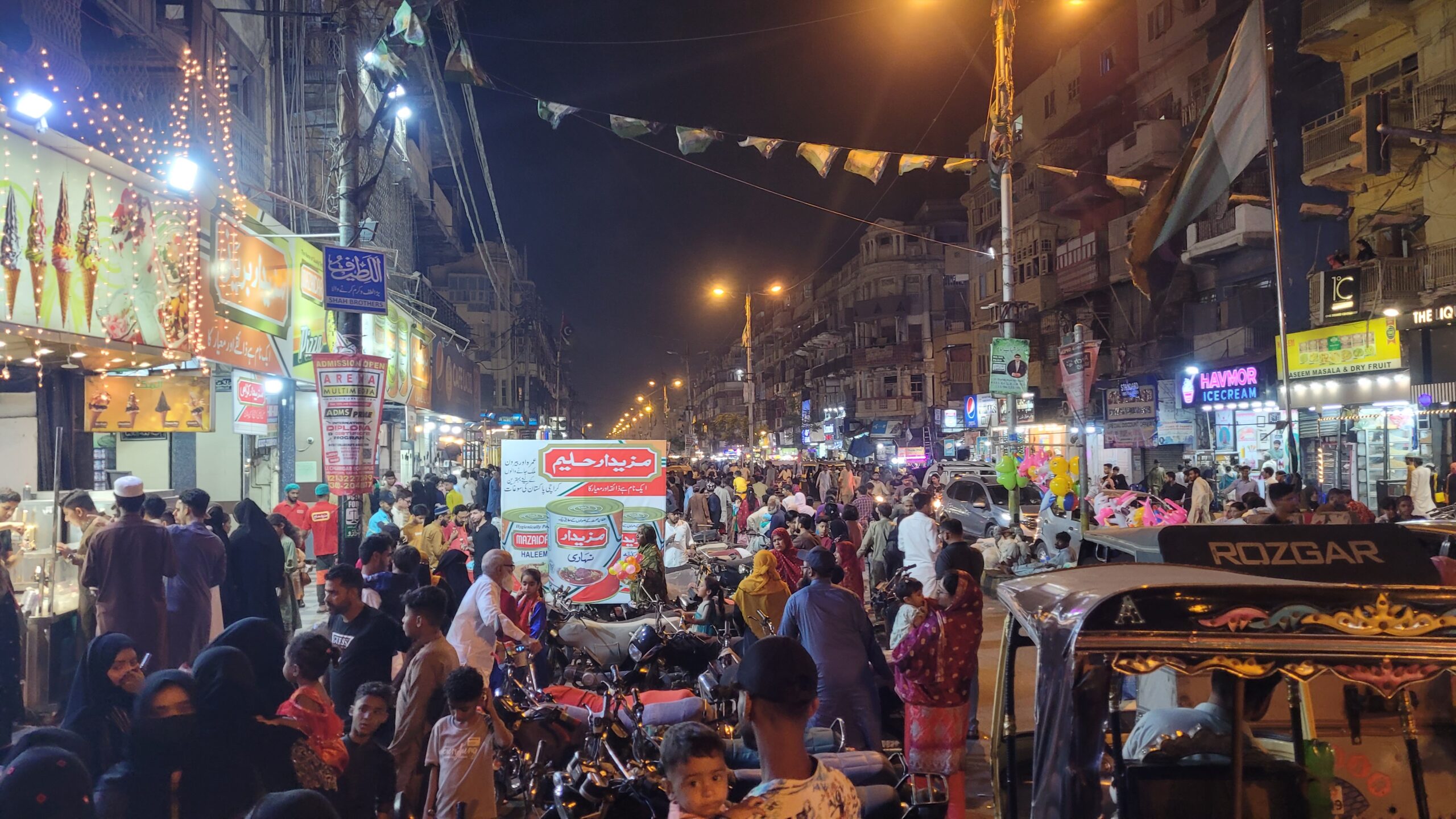
The city is the complete opposite of Pakistan’s quiet mountain regions. It’s loud, chaotic, massive, and full of energy. As the country’s largest city and economic center, Karachi never really slows down. Traffic is constant, markets are packed, and street food stalls, stay busy the entire night.
With more than 20 million people, Karachi is one of the largest cities in the world and also one of the most diverse, which means you’ll find an incredible mix of cultures, languages, and food. Some of the country’s best street food can be found here, especially in areas like Burns Road, where restaurants have been serving local specialties for generations.
While Karachi might not be the easiest city to explore at first, it offers a raw and authentic look at modern Pakistan.
🔗 Want to explore Karachi in more depth? Check out my full guide:
How to Travel to Karachi, Pakistan – The Ultimate Travel Guide
🚌 How to get around in Pakistan
Distances can be huge, especially if you’re traveling between the south and the mountains in the north, making long travel days pretty common.
🚐 Long-Distance Buses
For most travelers, buses are the main way to get around Pakistan. Several private bus companies operate comfortable coaches between major cities. Companies like Daewoo Express and Faisal Movers offer modern buses with regular departures.
Buses are affordable and connect cities like Islamabad, Lahore, Karachi, and Peshawar. For travel in the north toward Gilgit-Baltistan, smaller buses and vans are more common.
Busses within cities are very chaotic and I never understood their routes and stops. In Karachi it’s even possible to sit on top of the bus when the insidebecomes too crowded. Honestly a pretty unique experience I missed out on.
✈️ Domestic Flights
Because Pakistan is so large, domestic flights can save a lot of time, especially when traveling between the south and the northern mountains. Airlines like Pakistan International Airlines operate routes between cities such as Karachi, Lahore, and Islamabad, as well as flights to northern destinations like Skardu and Gilgit.
Flights to the mountains are praised online for their views, but they are also frequently delayed or canceled due to weather.
🚆 Trains
Pakistan also has a extensive railway network operated by Pakistan Railways.
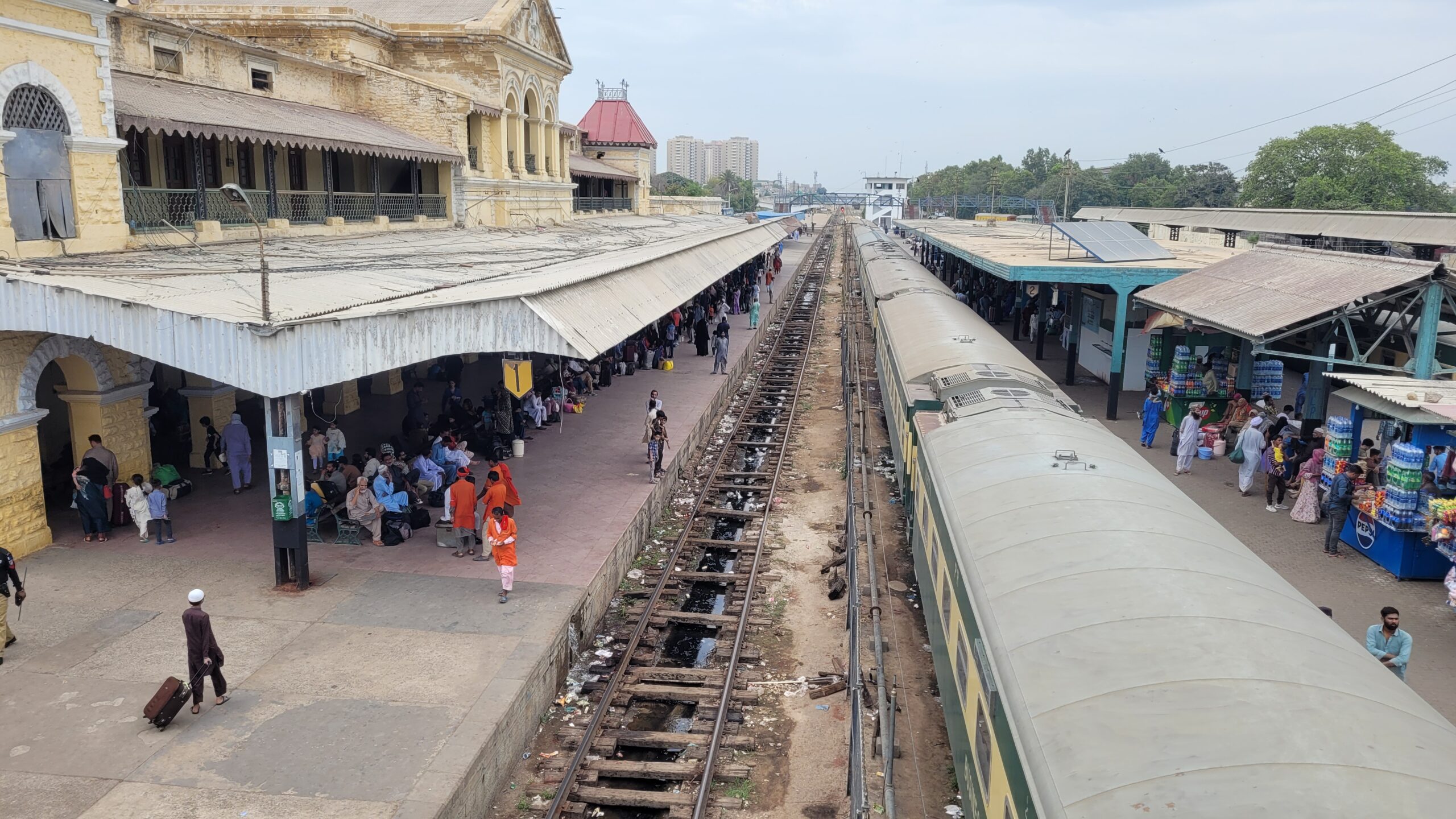
One of the most famous routes runs between Karachi and Lahore. The journey takes roughly 18-24 hours. Overnight trains are particularly popular since you can book a sleeper berth.
For more detailed information check:
How to Take the Night Train from Karachi to Lahore – Pakistan’s Most Iconic Rail Journey
🛺 TukTuks
The most common way to get around in Cities.
🚗 Private Driver
Hiring a private driver is another option, especially for longer trips or when exploring the north to take you through remote areas.
You’ll find a whole section further down about Private Drivers and Tour Guides, which goes into more detail about costs and tips.
🛏️ Accommodation in Pakistan
In major cities like Lahore, Islamabad, and Karachi, you’ll find countless affordable options on Booking.com or Airbnb, typically ranging from €8–20 per night.
In rural areas, online prices can easily be double to triple that, but you can still find guesthouses for very little money if you ask locals or stop by small hotels in town. A night in one of Fairy Meadows Huts in Gilgit-Baltistan for example should not be more than 10-15€.
👮 Safety in Pakistan
Safety in Pakistan is a complicated topic.
Overall large parts of the country are far safer than many people assume. At the same time, it would be wrong to ignore the challenges that still exist.
Some regions remain sensitive, infrastructure can be unpredictable, and you need to be prepared for changing conditions at any time.
Pakistan is not a destination for careless travel. It requires planning, flexibility, and a willingness to adapt.
I wrote a detailed Guide about Safety in every Region:
🌐 Sim Card and Internet in Pakistan
📱 SIM Cards
Personally, I went for a 30-day eSIM, which I found to be the easiest for Pakistan. This is because you’ll need to visit an official shop and show your passport for registration in order to even purchase a physical Sim Card.
In the cities the internet works fine, however in northern Pakistan you won’t have connection for days. When I visited Fairy Meadows I was offline for 4 days.
🛜 Wi-Fi
Most hotels and guesthouses offer free Wi-Fi, but it’s often unstable with frequent dropouts or slow speeds. In some guesthouses in rural areas, the Wi-Fi even depends on a generator, just like the rest of the electricity.
🛡️ VPN
Several Apps and Websites are blocked in Pakistan. This includes Youtube as well as certain Social Media Platforms. A VPN can be very useful.
🏧Money Exchange, ATMs & Currency in Pakistan
💰 Currency
The local currency in Pakistan is the Pakistani Rupee (PKR).
1 Euro ≈ 325 PKR (rates can fluctuate slightly).
Personally, I found dealing with money in Pakistan a bit challenging. Hotels don’t accept card payment, and, as usual, things like food, transportation, and guides are paid in cash.
The biggest issue for me though was ATMs. During my trip, ATMs and banks didn’t accept my bank cards. I had a WISE card as well as two German Visa cards, but none of them got accepted.
The one bank that ended up working is called Standard Chartered Bank Ltd and is located in F-8, Islamabad.
To manage the situation, I was able to sent money online to hotel managers via Online Banking, who then gave me cash in return.
Exchanging Cash however is very easy. You’ll find proper exchange offices or banks all around the cities.
🧭 Independent Travel in Pakistan
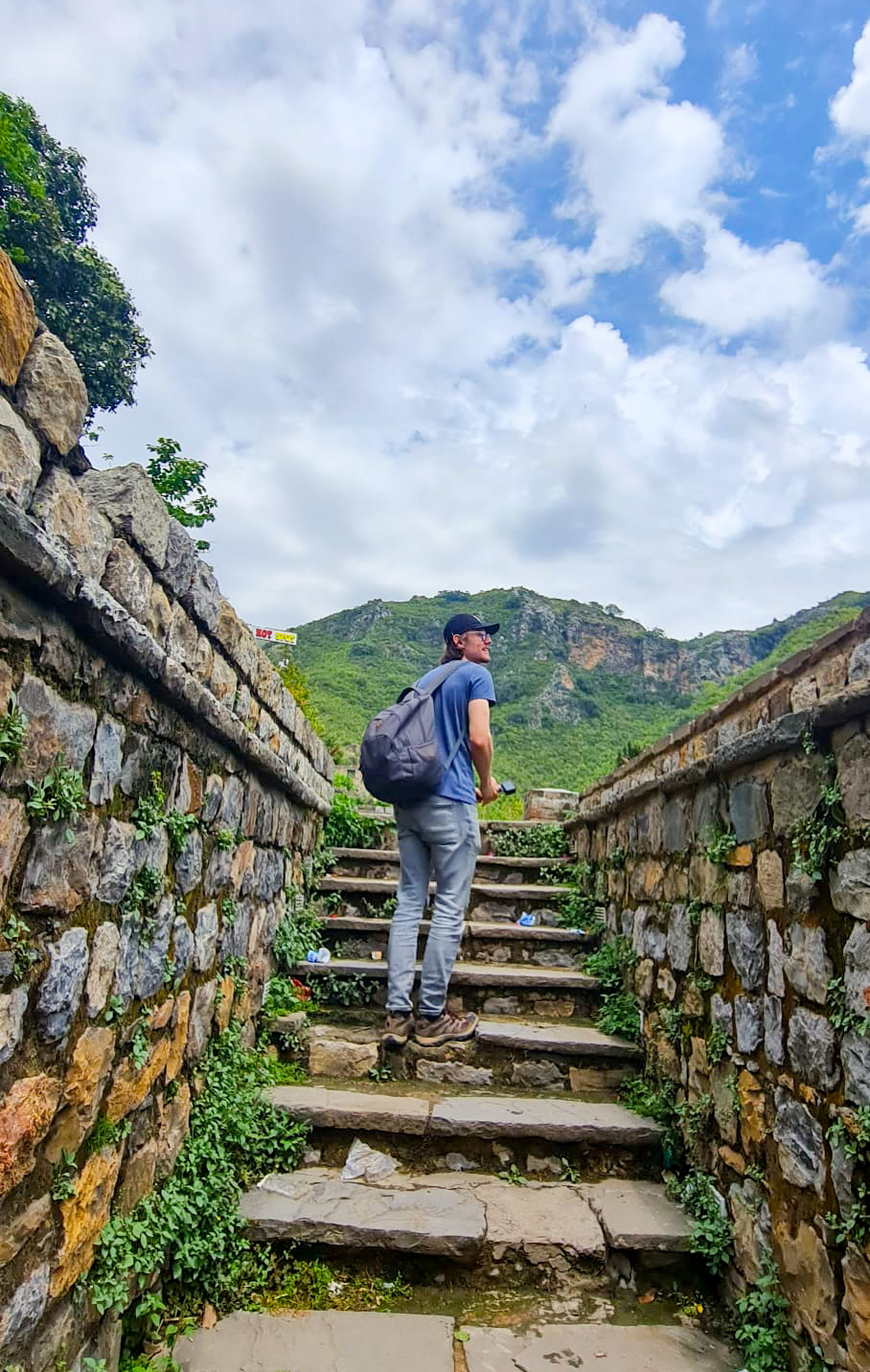
Traveling independently in Pakistan can be a bit challenging, especially if it’s your first time visiting a South Asian country.
Personally, I spent three weeks traveling around the country by myself before eventually hiring a private driver to explore Gilgit-Baltistan.
Most locals speak some English, but usually just enough for simple conversations. Communication generally works, but don’t expect long or complex discussions everywhere you go.
What makes independent travel easier, however, is the surprisingly strong online infrastructure. Plenty of Airbnbs and hotels are listed online, and booking platforms work well across the country. Even if you’re short on cash, you can often just book a room online and pay digitally.
That said, traveling in Pakistan can be quite unpredictable. Trains might be delayed for hours, the internet may suddenly stop working, or roads can be blocked due to weather or other disruptions.
👥 Tours / Travelling with a Group in Pakistan
Organized tours can definitely make traveling in Pakistan much easier. You’ll have a private vehicle, won’t need to deal with delayed buses, and usually have a guide who takes care of logistics along the way. That means you can focus more on enjoying the trip instead of constantly planning transportation and accommodation.
Unfortunatley those Tours are, in my opinion, heavily overpriced. It’s not uncommon to see prices like 2.000€ for a one week group trip. Don’t get me wrong, I understand that western companies have higher costs for their staff and advertisment. But because of that it is way more affordable to book with a pakistani Agencye in the first place. Personally I spent 500€ for a 7 day trip to Gilgit-Baltistan, which included a private Driver with his own car, guesthouse accomodation and a Jeep Ride up to Fairy Meadows.
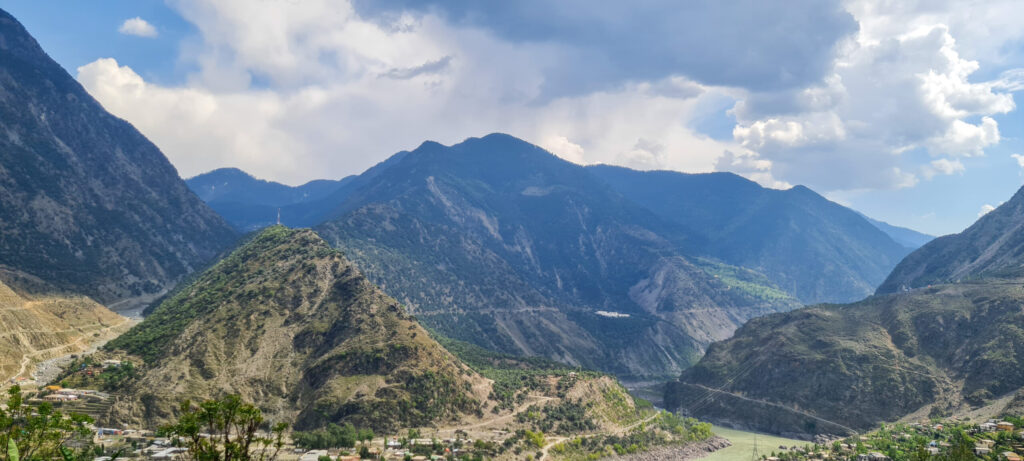
😊 Pakistan's famous Hospitality
People in Pakistan are incredibly hospitable toward foreigners. It’s something you’ll notice very quickly when traveling around the country. That said, please never take advantage of this generosity.
Throughout my trip I got plenty of Street Food for free since vendors would refuse to take my money. After all I am “their guest”. Even some tuk-tuk drivers didn’t want to accept payment.
I was invited countless times into people’s homes and drank tons of Chai witb them. While these gestures are incredibly kind, I still struggl with it, knowing that things are often much more affordable for me than for them.
That’s why I encourage anyone visiting Pakistan to be respectful of this generosity and not take advantage of it.
Also, be prepared to take many pictures with locals. You will be treated like a Hollywood Star if you look like a foreigner.
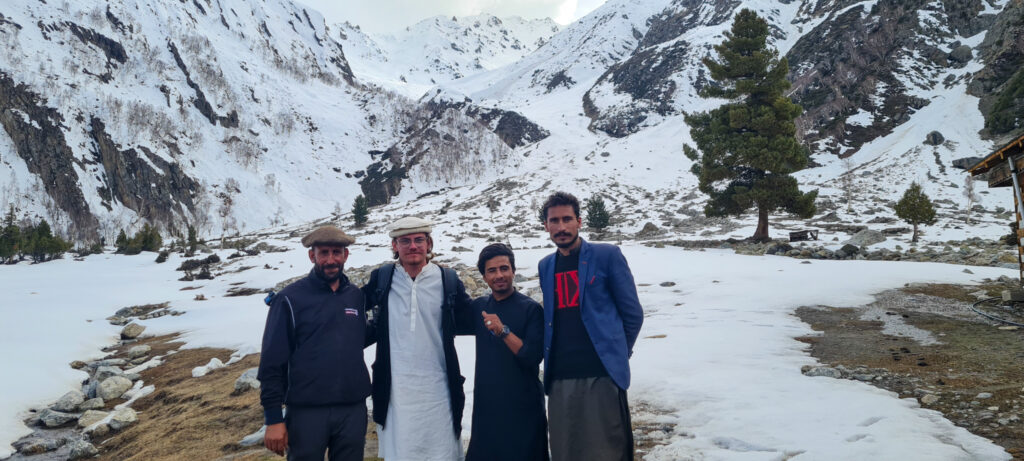
⛅ Best Time to Visit Pakistan
The best time to visit Pakistan depends largely on the region you plan to explore. Overall though, the country can be an amazing destination all year round.
Spring (March–May):
During spring, the weather is generally pleasant in many parts of the country, making it a great time all over the country. In the northern regions like Gilgit-Baltistan, this is when trees begin to bloom and the valleys slowly turn green again after winter.
Summer (June–August):
Summer is the best time to visit northern Pakistan, but also peak tourist season. Hiking trails in the mountains are accessible, the valleys are lush and green, and you’ll often get clear views of the surrounding peaks. However, the southern regions such as Sindh and Balochistan can become extremely hot during this time.
Autumn (September–November):
Just like spring, autumn is a fantastic time to visit. Temperatures are comfortable, the landscapes are colorful, and most mountain roads remain accessible. In many northern valleys, the trees turn beautiful shades of red and yellow.
Winter (December–February):
During winter, heavy snowfall often blocks roads and many guesthouses close for the season in northern Pakistan. However, if you simply want to escape the cold European winter, the other parts of the country can still be very pleasant to visit.
🥡 Food in Pakistan
Food in Pakistan is pretty polarized. Some travellers love all the spices and flavours while some long-time travellers who’ve been all around the world say Pakistan has some of the unlikeable cousine.
Personally I love the food being flavorful, and incredibly diverse.
🍛 Street Food
Samosas, Pakoras, and Chaat – Some of the most common street foods you’ll find all over Pakistan.
Gol Gappas / Pani Puri – Crispy shells filled with spicy water, chickpeas, and tangy sauces. A personal favourite of mine, even though it’s just a snack and not a full meal.
Chai – Strong, milky tea that’s served at any time of day. Every family has its own recipe with different spices and flavors.
🌍 Cuisine by Region
Punjab (Lahore, Islamabad area): Don’t miss Nihari, Biryani, and Chapli Kebab.
Sindh (Karachi, Hyderabad): Karachi is a street food paradise. You’ll find plenty of Rice dishes along Seafood here. Areas like Burns Road are legendary for authentic dishes.
Balochistan: Known for simple, hearty meals. Try Sajji, which is marinated in salt and spices, then cooked over an open fire.
Northern Pakistan (Gilgit-Baltistan): Food here is influenced by Central Asian cuisine. You’ll find Yak meat dishes, mountain tea as well as all sorts of breads. Gilgit-Baltistan is also known for their Cake-baking along side fresh apricots and cherries in summer. Local dairy products, like yogurt and cheese, are also widely used.
☢️ Hygiene and Food Poisoning
We all watched those Videos of disgusting Street Food from India, Pakistan or Bangladesh where a guy sits in the most unhygenic spot sorrounded by bugs with his bare feet right next to the food. This is absolutely not the reality and I’ve personally never experienced something like this.
However Food Poisoning is very common and also I myself got it, leading to three days non-stop on the toilet.
There are several important things to know though, in order to prevent this:
💧 Water & Drinks
Only drink bottled water. Check that the seal hasn’t been opened. Rather buy a second bottle than risking it.
Avoid ice in drinks, as ite often comes from tap water.
Wash fruits and vegetables yourself if possible, especially in rural areas.
🍛 Street Food vs Restaurants
Believe it or not, street food is often safer than restaurants. Street vendors buy fresh ingredients in the morning, use them that day, and throw away leftovers. Restaurants, on the other hand, sometimes store food for longer periods, which can increase the risk of foodborne illness.
You have a way higher chance of becoming sick by eating at western brans like KFC or McDonalds than eating Street Food. I personally got sick from eating at Broadway’s Pizza.
💊 Be Prepared
It’s also a good idea to prepare medication for the case of food poisoning. I did not, went to the pharmacy and ended up buying Antibiotics for 50 cents, not knowing it was antibiotics, after already popping the first pill.
👗 How to dress in Pakistan
Pakistan is a quite conservative country when it comes to clothing.
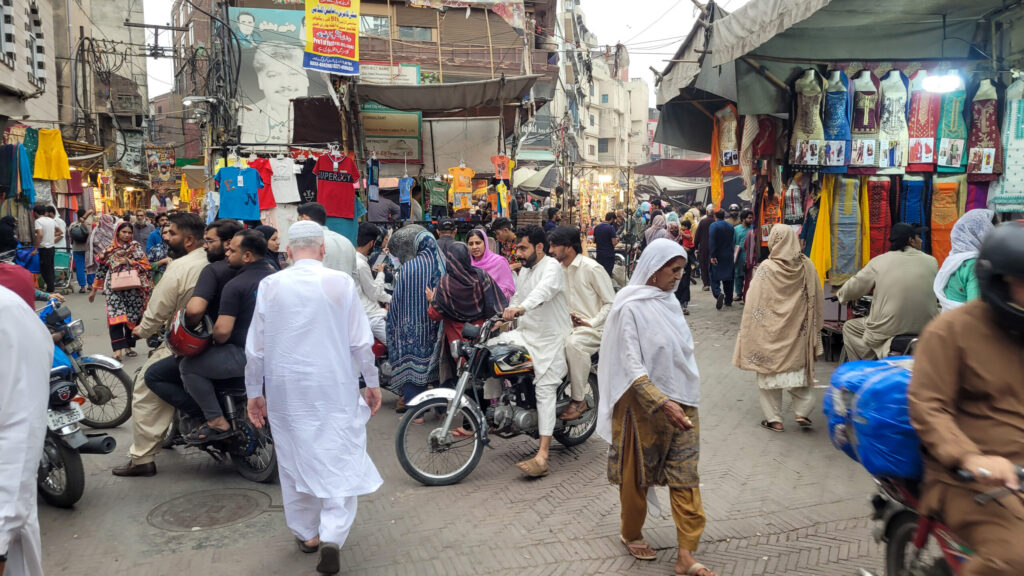
Dressing modestly is the easiest way to avoid unwanted attention and show respect for local culture. The good thing though is that local clothing also looks really amazing. People are wearing Salwar Kameez. This outfit consists of loose trousers (salwar) and a long shirt (kameez). It does not just look cool but also feel super comfortable as it’s very leightweight.
👨 Dress Code for Men
T-shirts, shirts, and long pants are perfectly acceptable in most places. Shorts should be avoided just like in any other conservative country.
I bought Salwar Kameez in a store in Islamabad for roughly 15€. However you can also get it personally tailored in the market and pick it up the next day.
👩 Dress Code for Women
For women, dressing mondestly is once again even more important.
Most local women wear long clothing that covers their arms and legs. Loose pants, long skirts, or dresses paired with a long-sleeved top are usually a safe choice.
Many women also wear a Dupatta, a light scarf that can be placed over the shoulders or head when needed.
A Hijab is not required for foreign visitors, but having a scarf with you is important to cover your head when visiting mosques or in more conservative areas. Also it helps you blend in a bit more whenever you don’t want any attention.
🤑 Travelling on a Budget in Pakistan
Pakistan is extremly affordable no matter you travel style. To give you an idea of prices:
Street Food: 1-3€ per Meal
Accommodation: 8-20€ a night
TukTuk Ride: 1-3€
Private Tour (From pakistani Agency): 500€ a week
With some planning and flexibility, you can travel around Pakistan for €15–25 per day on a tight budget, or a bit more if you want extra comfort.
Conclusion about Travelling Pakistan
Even today, Pakistan is still off the radar for most travelers. Yet there’s so much to see that you could easily spend weeks here without getting bored. You’ll find the most amazing mountains, deserts, huge cities filled with centuries-old architecture all accomapnied by some of the friendliest people.
With a bit of planning, respect for local culture, and an open mind, Pakistan can offer some of the most authentic, breathtaking, and memorable experiences of your life.
🇵🇰 More on Pakistan
The Ultimate Pakistan Travel Guide 2026
Is Pakistan Safe in 2026?
How to Take the Night Train from Karachi to Lahore (Pakistan)
How to Travel to Karachi, Pakistan in 2025 – A Travel Guide
Alex
Welcome off the beaten path!
I’m Alex, a 23 year old traveler who loves to explore the corners of the world, that still seem to be untouched. In this Blog I want to share my experiences with you.